How we need to rethink natural stone.

INSIGHT: Sustainability

wall made of solid granite blocks

How we need to rethink natural stone.

The cultural change [1]: natural stone has never stopped being a good building material. However, for a long time the world was not ready to think about it in that sense. Too heavy. Too old. Too exclusive. A material that had more to do with castles than the future. The gravel-covered gardens of German suburbs have also contributed to this view. But now this view is changing, and with it, the built environment [2].

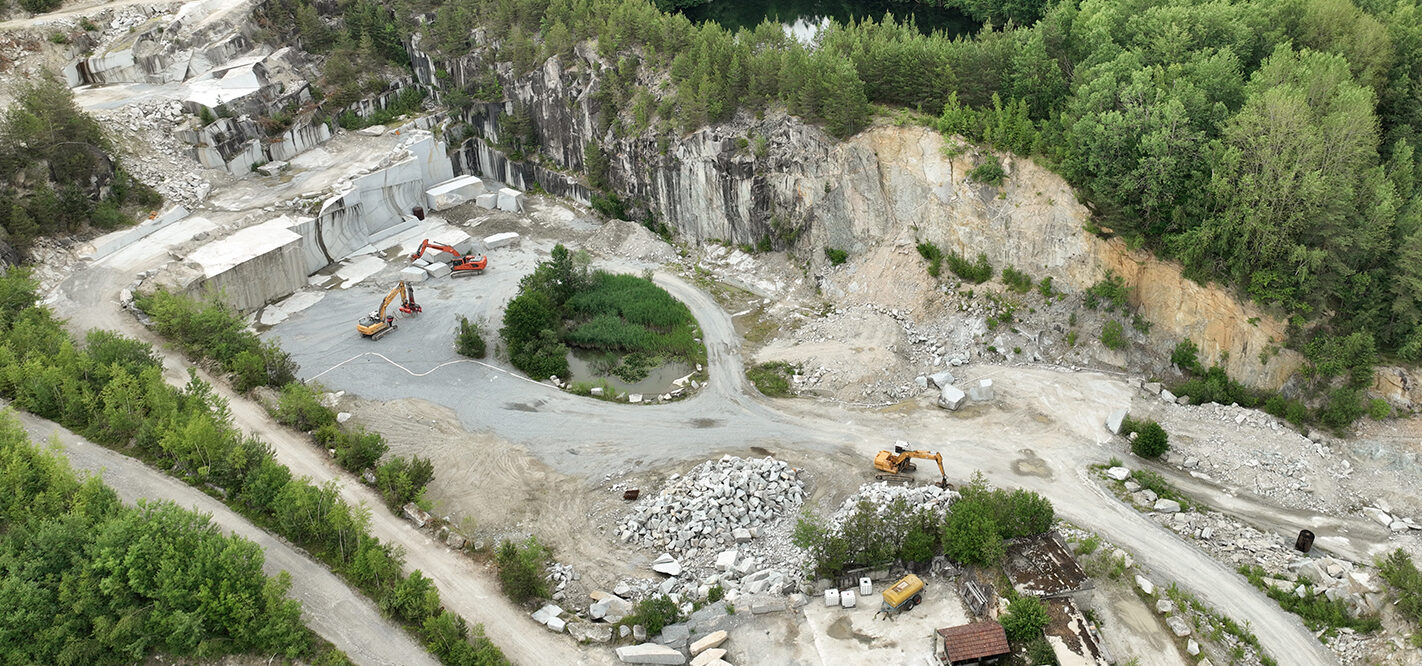
Origin visible to all - from the Höhenberg Quarry. Extracted types: Tittling fine grain and coarse grain granite.

We are at a crossroads. Not just technologically but also culturally. What once sounded like progress all to often now seems short-lived, energy-intensive, or simply replaceable. In contrast, the focus is shifting back to concepts that were long classed as ‘outdated’: craftmanship, recycling, local production. In this new context, natural stone suddenly no longer seems so stolid, but rather a down-to-earth alternative to a construction industry that all too often runs ahead of itself.

Now that short-lived thinking is becoming a burden, longevity is becoming the answer.

Now that everyone is growing tired of greenwashing, natural stone stands out as an honest answer.

Now that superficiality is no longer enough, substance is in demand.

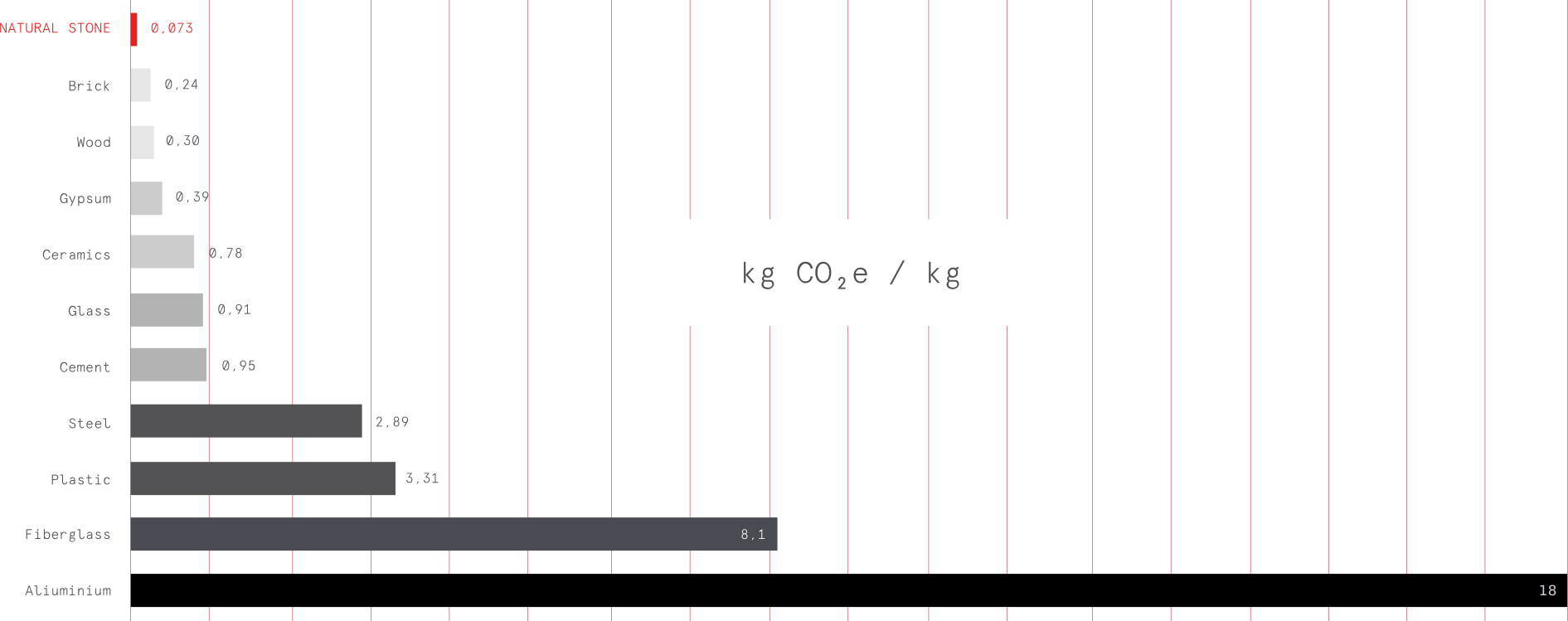
Natural stone: 75 % less than glass-aluminium combinations [3]
Glass bottles. Linen. Solid wood furniture. All three were once considered outdated, but have now become symbolic of a mindful, unhurried, future-orientated society. Natural stone belongs in the same category. A material that outlasts trends. One that visually ages, but doesn't wear out.
That require no cladding to appear modern. A material that doesn’t have to pretend that it is sustainable, it just is. Natural stone is neither coated, nor chemically treated. It has been part of the earth’s history for millions of years and will still be here for generations to come.
While the production of glass facades generates up to 200 kg of CO₂ per square metre, studies have shown that facades made from natural stone only emit about 30 - 40 kg, thus cutting greenhouse gas emissions by up to 75 %.

Climate-friendly construction begins where materials, origin and lifespan are considered from the outset.

Josef Kusser, Dipl. Wirtsch.-Ing. (FH), Managing Director
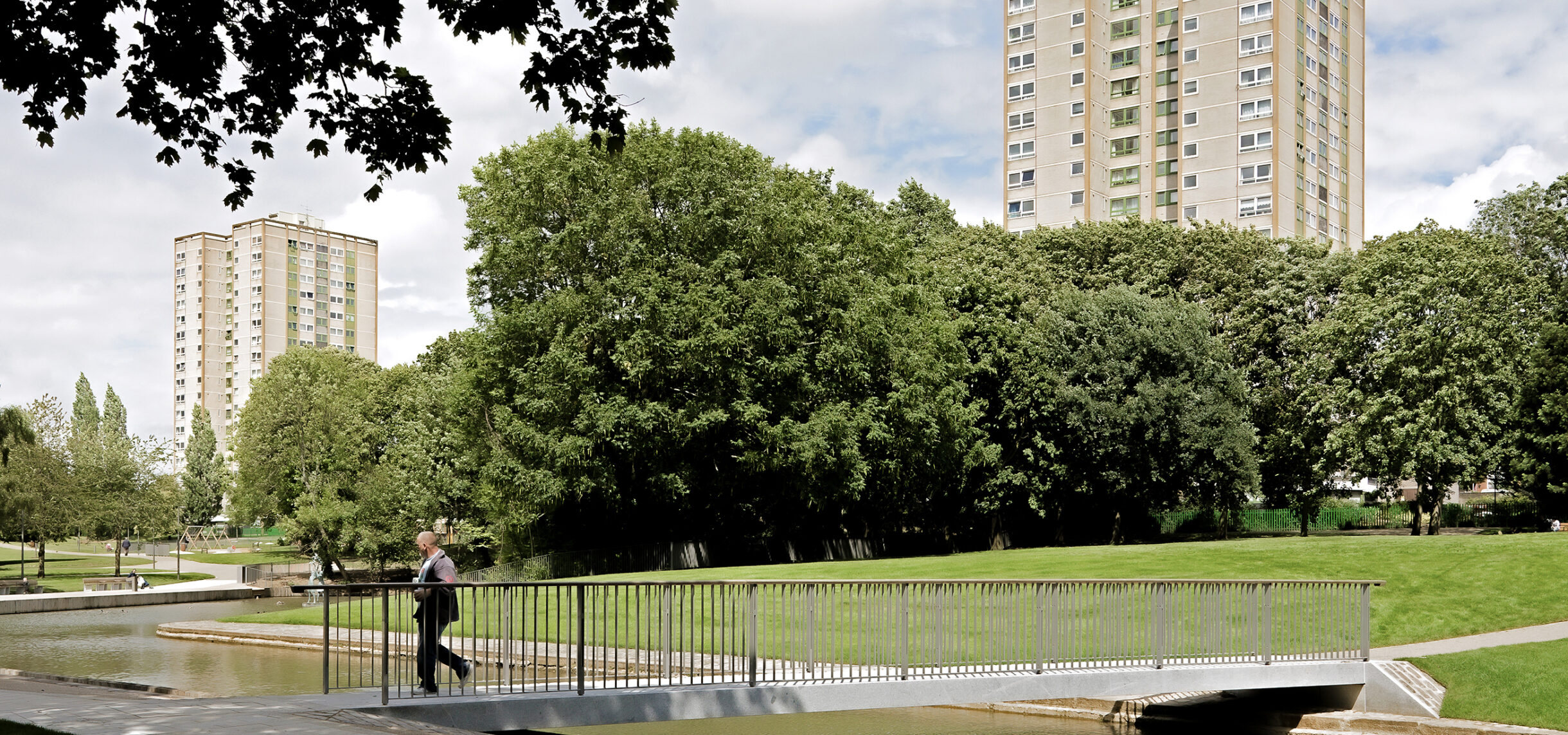
 The post-tensioned granite bridge in Stevenage near London, illustrates that natural stone can be used in a modern context and will last for decades without maintenance.
A new material renaissance
With the rediscovery of this material, an ancient art is also being revived: stonemasonry. No mass-produced interchangeable items originate from the Kusser workshops, rather individual components crafted with technical precision. The interaction between craftsmanship, architecture and engineering creates something new - precision, with millimetre accuracy. When granite is no longer just thought of nostalgically, but is subject to modern design, it becomes a pure, architectural, and timeless element.

What can be created from a block of natural stone, is a matter of design, not the material.

Georg Kusser, Dipl.-Ing., MBA, Managing Director

Whether it is polygonal custom shapes, freely milled surfaces, or complex support systems, ambitious complex structures can be produced using CAD and 5-axis technology.

Natural stone does not need to be reinvented. It needs only to be seen again for what it is. A material with poise, heritage, and a future. 100 % natural, 100 % free of pollutants and 100 % returnable into the circular economy [4]. A stone that remains once all the others have already been replaced.

Which is precisely why Kusser is not building to hit the headlines. 
We are building for tomorrow.

Weitere Projekte und Insights entdecken

Back to overview